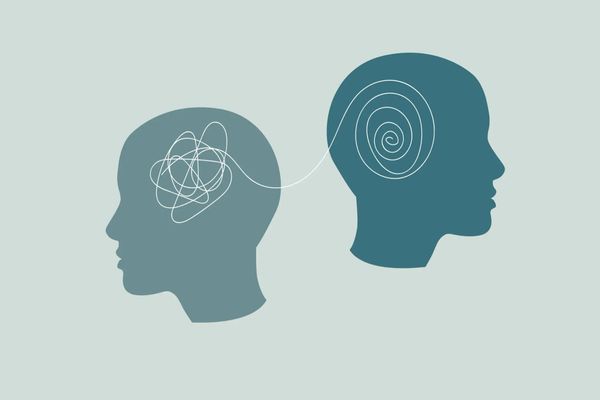
Neurodivergence and Neurodiversity
Tupaco Counseling & Integrated Wellness seeks to provide strengths-based therapy and coaching to clients of all neurotypes and celebrates neurodiversity.
Autism, ADHD, and some other conditions are diagnoses that fall under the neurodivergent heading. Things like OCD, dyslexia, and trauma, for example, may also cause neurodivergence. Because we live in a neurotypical society, managing the needs, traits, and symptoms of neurodivergence can range from being challenging to sometimes feeling impossible. With strong therapeutic support, these challenges can be somewhat ameliorated.
More on Comparing Therapy to Coaching

Psychotherapists Treat Mental Illness While Coaches Do Not
One of the most important distinguishing factors between psychotherapy and coaching is that psychotherapy is focused on helping people who are facing managing and living with mental illnesses, and coaching is not. Coaching may help individuals with diagnoses get the most out of life, but the focus will not be the illness, and coaching will not include treating the mental illness.
Psychotherapists are specifically trained to treat mental illness and are educated and practiced in a wide variety of therapeutic approaches to help clients manage and diminish symptoms. Coaches, on the other hand, are not required to have any of this training.
If you are seeking help for a common mental health problem such as depression, anxiety, or post-traumatic stress disorder (PTSD), psychotherapy is the obvious choice.

Past vs. Future Orientation
Generally speaking, coaching is more focused on helping you to feel fulfilled now and achieve your future goals, while psychotherapy tends to have more of a past-to-present focus, especially focused on healing and understanding what elements of your past life and present life are contributing to your thoughts, emotions, and behaviors right now.
That being said, coaching may be able to help you understand how the past contributes to your present, and psychotherapy can help you achieve your future goals.

Differences in Payment and Focus
Because psychotherapy is about treating a mental health problem, it may be covered by your insurance company if you meet the criteria for a mental health disorder and the insurance company deems psychotherapy medically necessary to help you get better. This also means that, in order for your insurance company to cover therapy, you generally need to be officially diagnosed with a mental health condition.
Coaching is not covered by most insurance plans and can span its focus from personal development, professional development, relational growth, somatic coaching, and many other focuses that will not be identified as treating a mental health disorder.
Services
Psychotherapists face more restrictions than coaches in terms of where and how they are able to offer services. They must be licensed in the state in which they practice; for example, while coaches can work throughout all of the United States and internationally.
Psychotherapy is more traditionally offered face-to-face in an office, while coaching happens frequently over the phone or via the internet. Even so, some psychotherapists offer services over the phone or via the internet, and some coaches have offices in which they see clients; in fact, online therapy has been steadily growing in popularity. Some coaches choose to meet with clients in a public setting, which is usually unheard of for psychotherapists.
The above differences are generalizations and do not apply to all psychotherapists and coaches. In reality, the differences between two psychotherapists or two coaches may be greater than the difference between a coach and a psychotherapist, depending on who they are and the way they work with their clients.
Some coaches also offer services to support groups in a variety of settings, such as helping a small business through growing pains or supporting an athletic team with communication and interpersonal dynamics, for some examples.